Sports training is important more than just a games. They teach us teamwork, discipline, and the joy of competition. But behind every strong athlete is one key factor—training. Without training, even the most talented players will struggle. So, Let’s explore this step by step.
Table of Contents
What Is the Meaning of Sports Training?
Sport training is the process of practicing and preparing for physical performance. It is not only about building muscles. It also improves speed, flexibility, stamina, focus, and mental strength.
In simple words, sport training means practicing again and again to get better at a specific sport. For example:
- A runner trains to improve running speed and endurance.
- A footballer trains to sharpen footwork and coordination.
- A swimmer trains to increase lung capacity and body strength.
So, the meaning of sport training is all about preparing the body and mind to perform at their best.
Why Is Sports Training Important?
Sport training is important because it helps athletes reach their full potential. Here are some reasons why training is necessary:
- Improves performance – Training helps athletes run faster, jump higher, and play better.
- Prevents injuries – A well-trained body is stronger and less likely to get hurt.
- Builds discipline – Training daily teaches athletes to stay focused and consistent.
- Boosts confidence – When athletes are well-prepared, they believe in themselves.
- Sharpens skills – Training helps athletes master techniques that set them apart.
In short, training is the foundation of success in any sport.
How Many Types of Training Are There in Sports?
There are many types of training in sports. Each type helps athletes in different ways. Here are the main ones:
1. Strength Training

This focuses on building muscles and power. Weightlifting, resistance bands, and push-ups are common examples.
2. Endurance Training

This improves stamina so athletes can perform for longer. Running, cycling, and swimming are great endurance workouts.
3. Flexibility Training
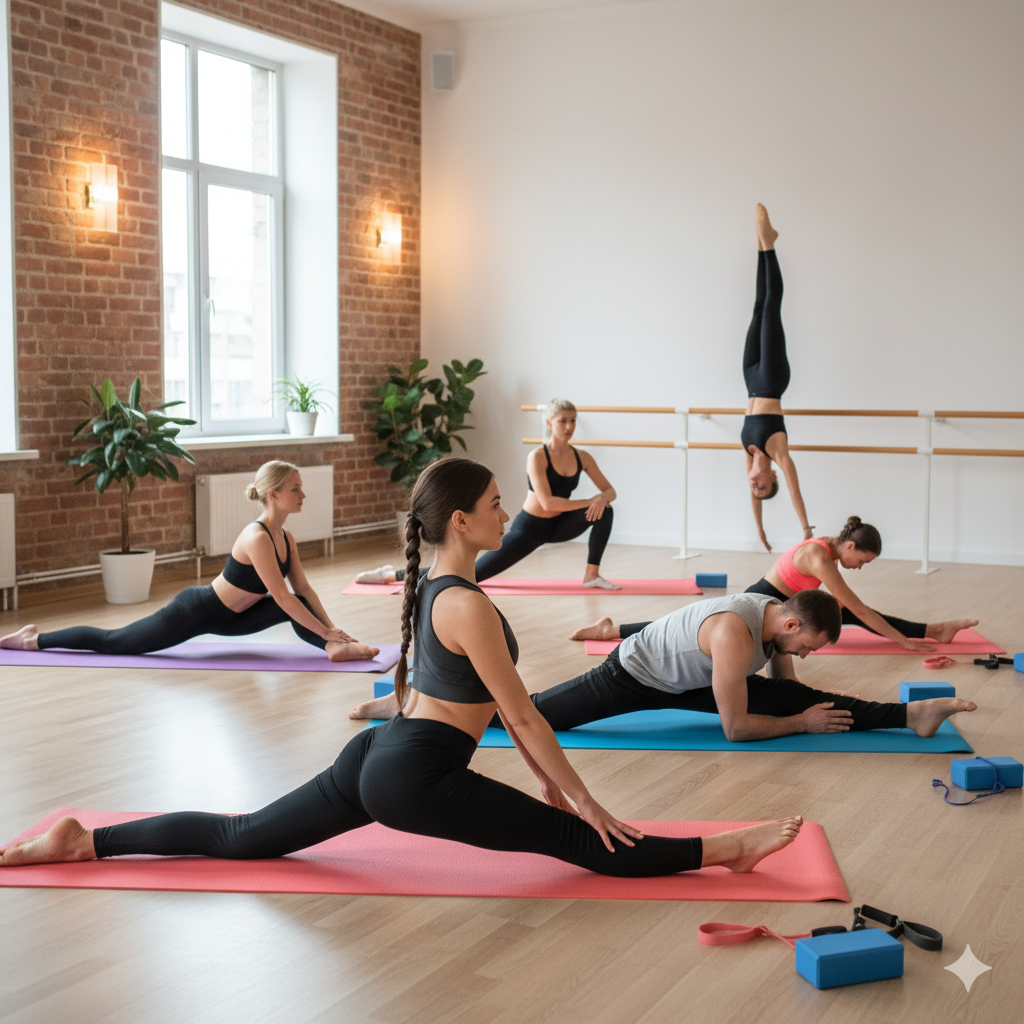
This keeps muscles and joints loose. Stretching and yoga are good ways to improve flexibility.
4. Speed Training

This focuses on quick movements. Sprinting drills and agility ladders help athletes move faster.
5. Skill Training
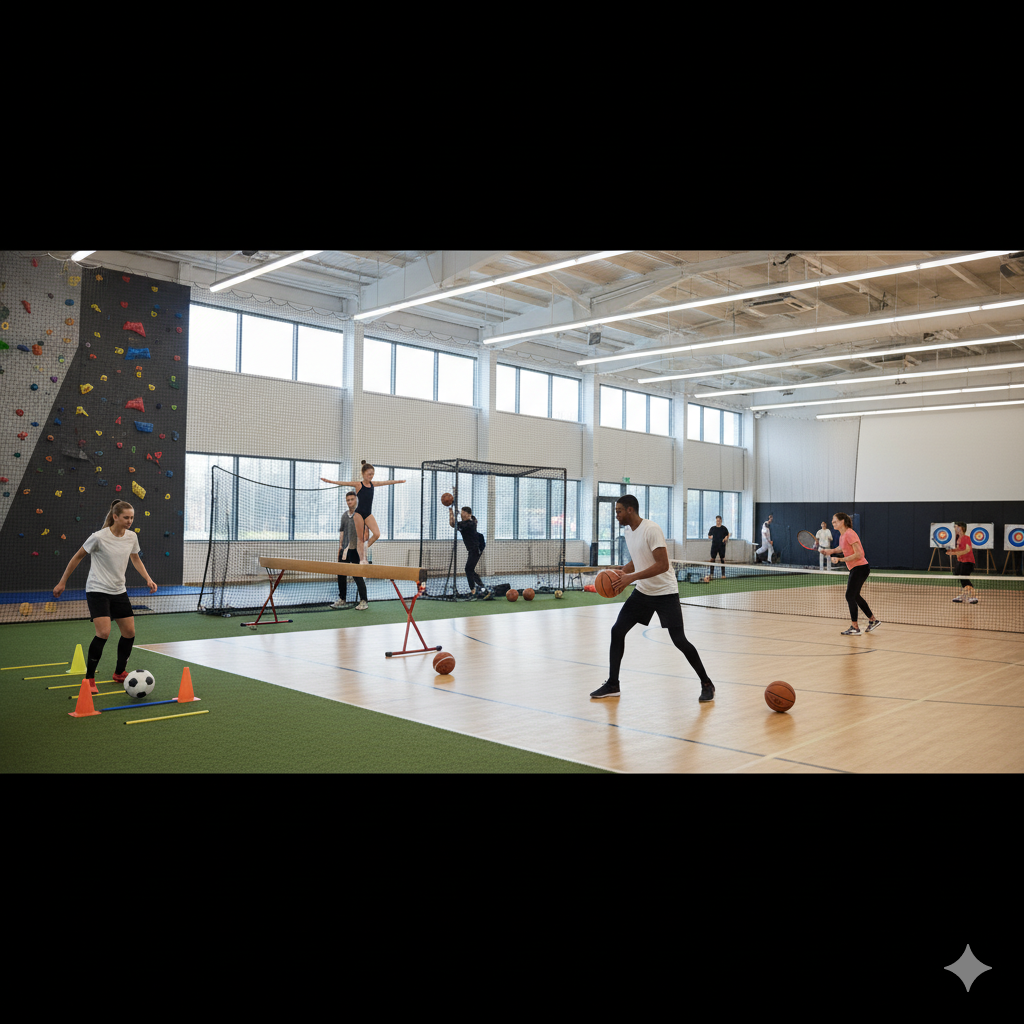
Every sport has unique skills. For example, dribbling in basketball or serving in tennis. Skill training sharpens these techniques.
6. Mental Training

Sports are not only physical—they’re also mental. Visualization, focus exercises, and breathing techniques improve concentration and reduce stress.
Together, these types of training create a balanced athlete.
The 7 Principles of Sports Training
To train effectively, athletes follow certain rules. These are called the 7 principles of sports training:
1. Individual Differences
Every athlete is unique. Training must match their body type, age, and ability.
2. Specificity
Training should match the sport. A swimmer trains differently than a sprinter.
3. Progression
Workouts should get harder step by step. This helps the body grow stronger over time.
4. Overload
To improve, athletes must challenge themselves beyond their comfort zone.
5. Adaptation
The body gets used to training. Over time, the athlete becomes stronger and faster.
6. Recovery
Rest is part of training. Without rest, the body cannot heal or grow.
7. Reversibility
If training stops, fitness levels drop. That is why consistency is important.
These principles act like a roadmap for all athletes.
What Are the Sports Training Methods?
There are many methods used in sport training. Each method has its own benefits. Let’s look at the most common ones:
1. Continuous Training
This means working out without stopping for a long time. Jogging or cycling for 30 minutes is an example. It builds endurance.
2. Interval Training
This mixes high effort with rest. For example, running fast for 1 minute, then walking for 2 minutes. It boosts both speed and stamina.
3. Circuit Training
This includes different exercises done one after another, like push-ups, squats, and sprints. It trains the whole body.
4. Fartlek Training
The word “Fartlek” means “speed play.” It mixes slow running with bursts of speed. This is great for sports like soccer.
5. Weight Training
Using weights helps build strength and muscle power.
6. Cross Training
This means mixing different activities. For example, a basketball player might also swim to improve endurance.
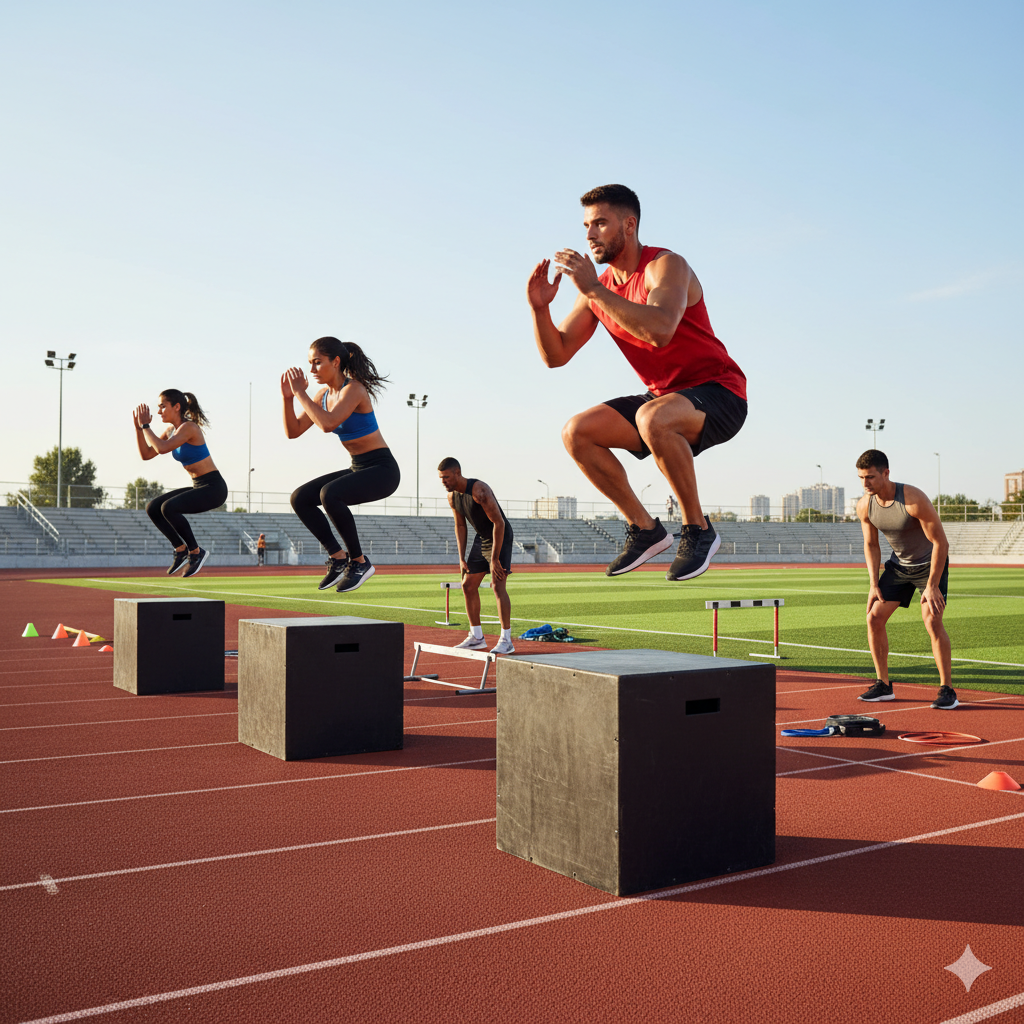
7. Plyometric Training
These are explosive movements like jumping or sprinting. They improve power and agility.
Each training method can be combined to make athletes stronger, faster, and better at their sport.
Final Thoughts
Sports training is the heart of athletic success. Without it, talent alone cannot win. Training makes athletes stronger, sharper, and more confident.
So, why is sports training important? Because it turns dreams into achievements. By following the types of training, using the right methods, and sticking to the 7 principles, every athlete can grow and reach their goals.
Whether you are a beginner or a professional, remember this—training is not just about winning. It is about becoming the best version of yourself, both on and off the field.
Also read: Can Fitness Be Achieved by All People?